
Quality Control: 5 Checkpoints Before Anything Ships
Most production problems show up early if you're looking. We run active QC checks at five stages of every production run. Here's what gets checked and how the process differs between hotel uniforms and business suits.
Quality Control on the Factory Floor
QC is not a single end-of-line check. It runs through the full production sequence from fabric arriving to cartons being sealed.
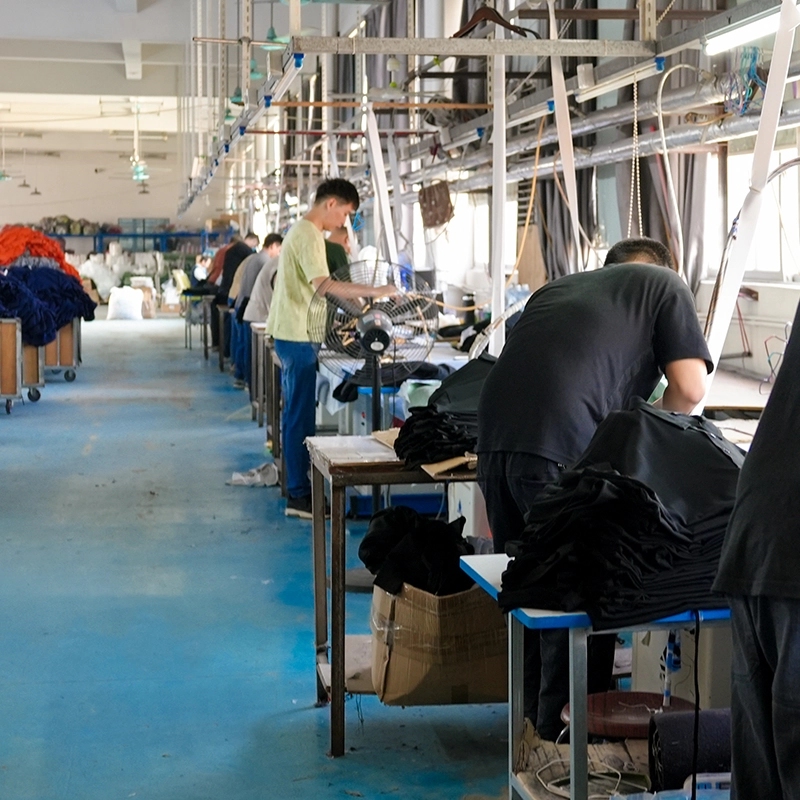
Fabric Inspection on Arrival
Every roll checked for weight, colour match, and surface defects
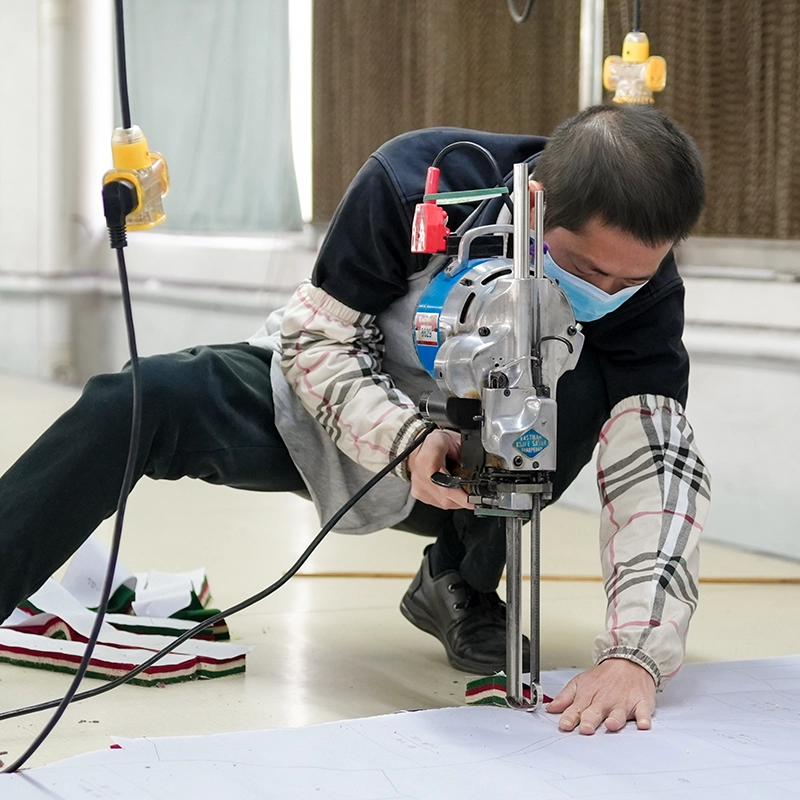
Cutting Room QC
Pattern alignment, grain direction, panel dimensions verified
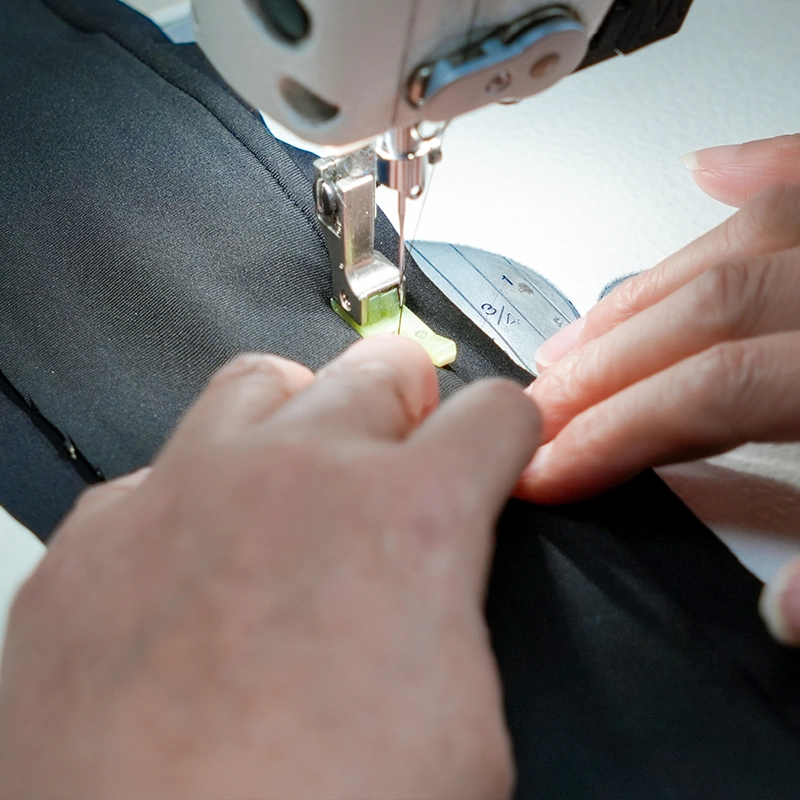
In-Line Sewing Check
Seam quality, stitch count, construction accuracy checked during sewing
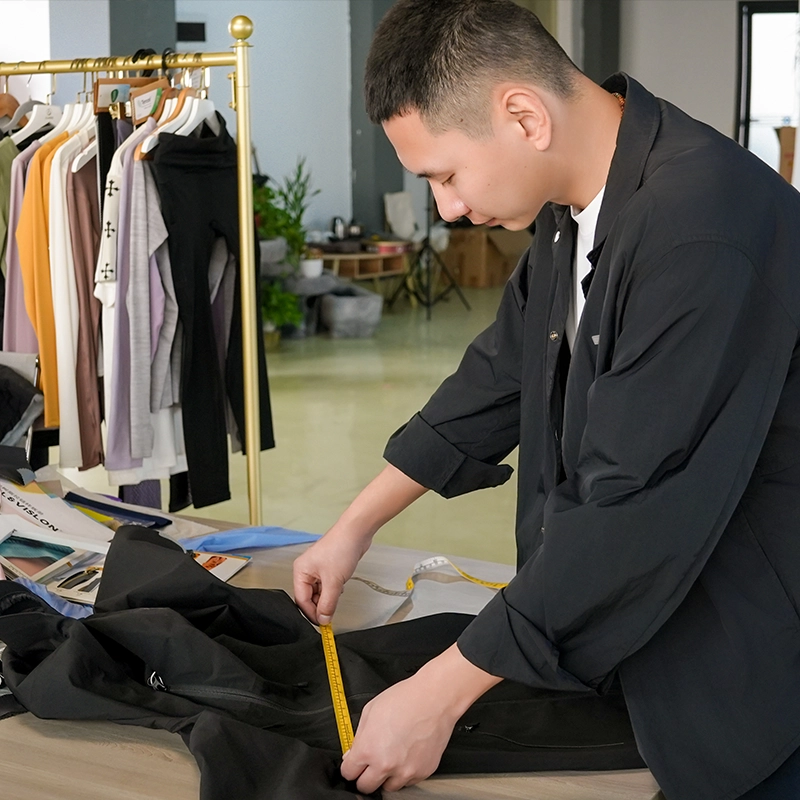
Suit Construction Check
Canvas placement, chest shape, lapel roll verified mid-build
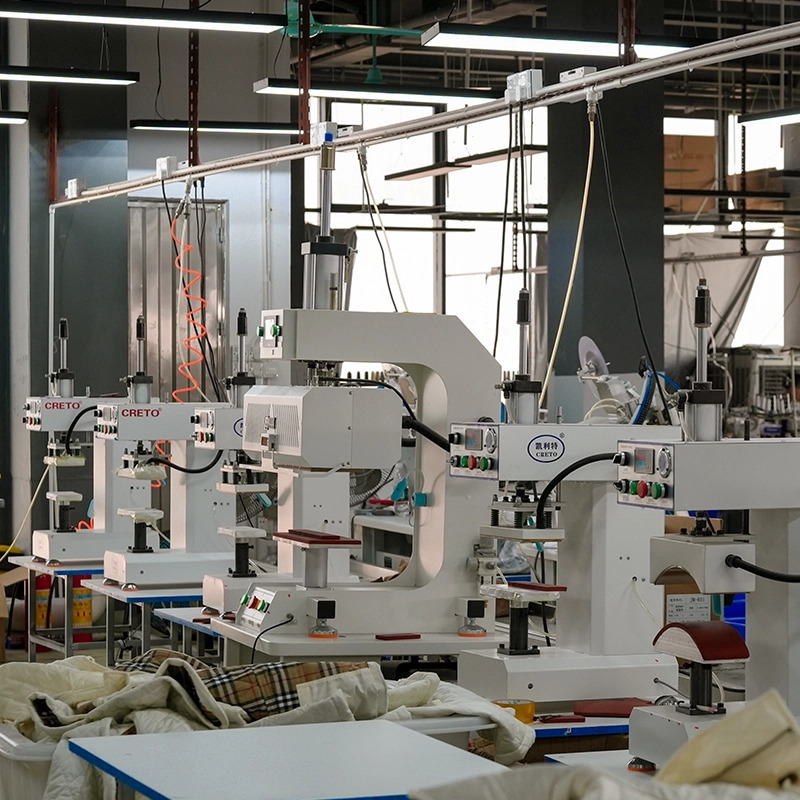
Measurement Verification
Finished garments measured against spec — deviations flagged
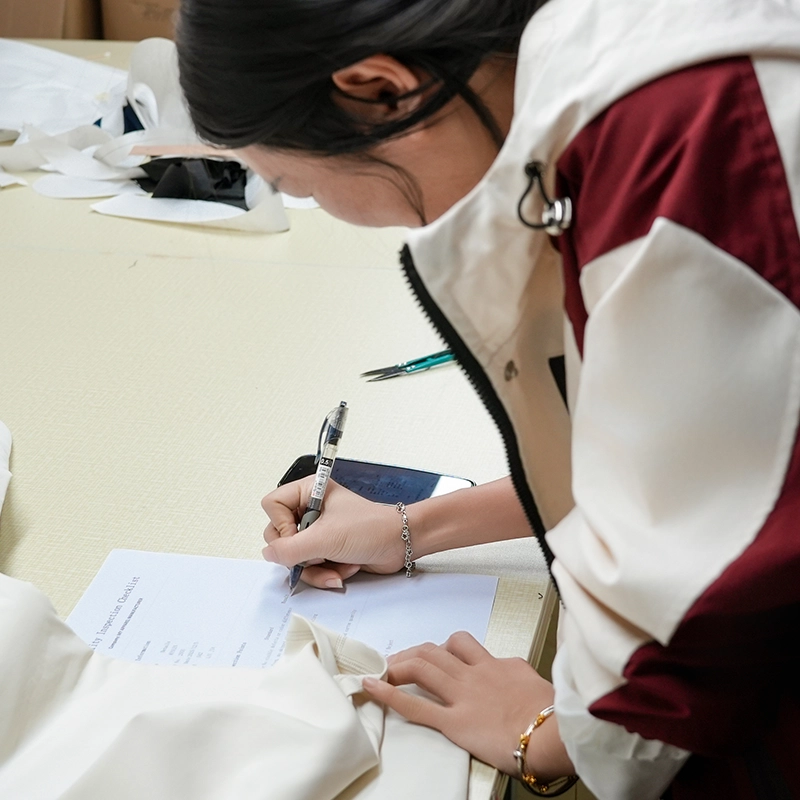
Final AQL 2.5 Audit
Random-sample batch inspection before packing begins
Third-party inspections (SGS, Bureau Veritas, Intertek) accepted by appointment. Contact us to arrange →
AQL 2.5 — What It Means in Practice
AQL 2.5 is the inspection standard at final audit. Random sample from your finished batch — sample size depends on total quantity — inspected against the approved production sample. If the defect rate exceeds the threshold, the batch is held.
AQL 2.5 doesn't mean 2.5% defects are acceptable. It refers to the statistical confidence level. Most batches ship with a defect rate well below this — because four upstream QC stages catch problems before final audit.
For hotel programs, AQL 2.5 means consistent visual and dimensional standard across large batches. For suits where fit tolerance is tight, measurement deviations above tolerance are caught before packing.
QC Standards — Key Parameters
The 5 QC Checkpoints
Catching a defect at Stage 2 costs 10 minutes. Catching it at Stage 5 may mean pulling 30 units. Our QC team can stop production at any point.
Fabric Receiving Inspection
Check: GSM weight, colour vs lab dip, surface defects, shrinkage. Colour match critical
for hotel programs — all fabric from same dye lot.
Fail action: Reject roll. Source
replacement before cutting.
Cutting Room Check
Check: Pattern alignment, grain direction, panel dimensions, layer count. Stripe/check
matching, canvas grain alignment.
Fail action: Re-cut affected panels. Adjust production
marker.
In-Line Sewing Check
Check: SPI, seam allowance, thread tension, zip function, pocket construction. For suits:
seam strength, pick stitch consistency.
Fail action: Operator re-briefed. Affected units
pulled for repair.
Construction Shape Check
Check: Assembly accuracy vs approved sample — proportions, trim placement, shape. Suits:
canvas roll, shoulder balance, sleeve pitch.
Fail action: Shape corrections before
finishing. Re-press as required.
Final AQL 2.5 Audit
Check: Random sample — measurements, appearance vs sample, labeling, packing compliance.
Each department style checked independently.
Fail action: Batch held. Defective units
repaired/replaced. Re-audit required.
Cleared for Packing & Shipment
Only after a passed AQL audit do garments move to packing. Inspection report available on request. Pre-shipment photos sent digitally before freight pickup.
Defect Classification — Critical, Major, Minor
Every defect is classified before action is taken.
| Defect Type | Critical — Zero Tolerance | Major — Repair/Replace | Minor — Tracked |
|---|---|---|---|
| Definition | Unit immediately removed. No AQL threshold. | Batch held if rate exceeds AQL 2.5. Unit repaired. | Noted. Batch ships if within tolerance. |
| Hotel Uniforms | Wrong style; wrong care label; safety hazard | Measurement outside tolerance; fabric defect; broken zip | Loose interior threads; minor press mark |
| Business Suits | Wrong size label; wrong brand label; seam failure | Chest/sleeve deviation; poor lapel roll; uneven buttonholes | Slight lining tension; minor interior press mark |
| Action | Pulled. Replaced, not repaired. | Repaired by skilled operator. Re-inspected individually. | Logged. Reported if pattern emerges. |
QC Priorities by Product Type
Colour Consistency — Uniforms
All fabric from same dye lot. Checked against approved lab dip on arrival. Reference stored for replenishment orders.
Measurement Precision — Suits
±1cm chest, ±0.5cm shoulder enforced strictly at final audit. Tighter tolerances can be specified in tech pack.
Functional Details — Uniforms
Buttons and zips tested against pull force standards. Pocket depth, zip function checked at in-line sewing stage.
Canvas & Construction — Suits
Canvas placement, chest pad shape, lapel roll checked mid-build against approved sample.
Label Compliance — Both
Every garment checked for correct main/size/care labels. Wrong labels = Critical defect, zero tolerance.
Size Range Accuracy
Graded measurement accuracy checked across full run — not just common sizes. Extremes of grade are most common issue.